Jim Donofrio - Part 2: Avalon Gardens
(Read Jim Donofrio’s Story - Part 1)
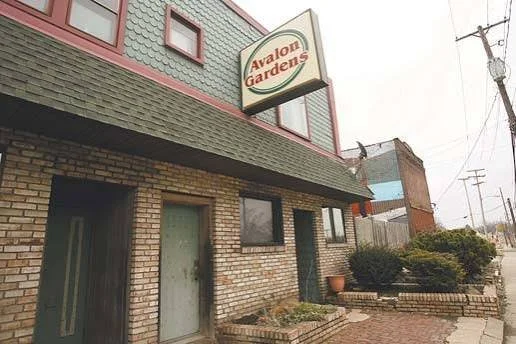
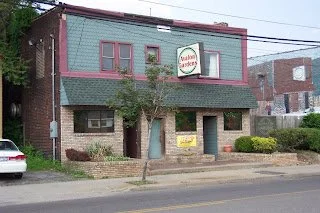
Avalon Gardens’ story begins in the post-Prohibition years, when Gennaro and Lena Massullo opened its doors in the 1930s. America was emerging from the era of speakeasies and bootleg liquor, and neighborhood establishments like Avalon Gardens quickly took root.
The Massullos ran the business for decades, before selling it in 1970 to the Sabella family.
At that time, Youngstown was a booming steel town. But by the end of the decade, the city would face hardship. On September 19, 1977, known as “Black Monday,” Youngstown Sheet and Tube closed one of its mills, and 5,000 people lost their jobs in an instant. By the early 1980’s, as more mills had closed their doors, the number of jobs lost was nearly 50,000.
In the shadows of this economic hardship, where fortunes and livelihoods had been made then lost, organized crime flourished. And as gambling and bookmaking grew, Avalon Gardens cemented its place as a Youngstown landmark.
The Vindicator newspaper documents a decade of raids and law enforcement actions, beginning in 1980. JJJ Lounge, Inc., doing business as Avalon Gardens, received a 35-day liquor license suspension. Authorities cited the possession of an electronic draw poker machine and permitting gambling or wagering on the premises.
To some, it was just another bar caught bending the rules. To others, it suggested Avalon Gardens occupied a more complicated role in the city’s underworld.
That perception deepened in the 1990s. While owner Michael J. Sabella sold the restaurant in 1988, he was described in reporting by The Vindicator as both a participant in organized crime circles and an FBI informant.
Articles state that during his cooperation with federal authorities, which began in 1994, investigators learned Sabella had allegedly taken part in an embezzlement scheme, without government approval. According to reports, a gambling debtor working as a grocery buyer could not repay what he owed. The debt was allegedly covered through false invoices billed to the grocery store for products that never existed. Sabella reportedly agreed to plead guilty at the conclusion of his cooperation.
Records after this are challenging to trace, but at various times, ownership of Avalon Gardens seemed to pass through prominent local families, with roots tracing back to southern Italy.
The Sabella’s sold the restaurant to Rocco Anthony Mango, born in Calobraro, Matera, Italy. He owned the restaurant until his death in 1999, at age 59.
Later, in May 2003, Albert Salata formed Brier Hill Restaurants, Inc., which appeared to have operated the property.
Smoky Hollow
Italian heritage and immigrant neighborhoods are a significant part of Youngstown’s history, with an undeniable impact.
One of these neighborhoods, Smoky Hollow, is located northeast of downtown, near the Mahoning River.
Perhaps, Smoky Hollow is where Avalon Gardens’ story truly begins.
Once a crowded working-class district, Smoky Hollow became a center of Italian-American life by the early 20th century. It has even produced figures whose names reached far beyond Ohio. Jack L. Warner spent part of his childhood there, before helping build Warner Bros. in Hollywood. Real estate developer Edward J. DeBartolo Sr. was born there in 1909.
Families from towns like Bagnoli del Trigno settled there, building churches, clubs, and businesses, and creating networks that endured for generations.
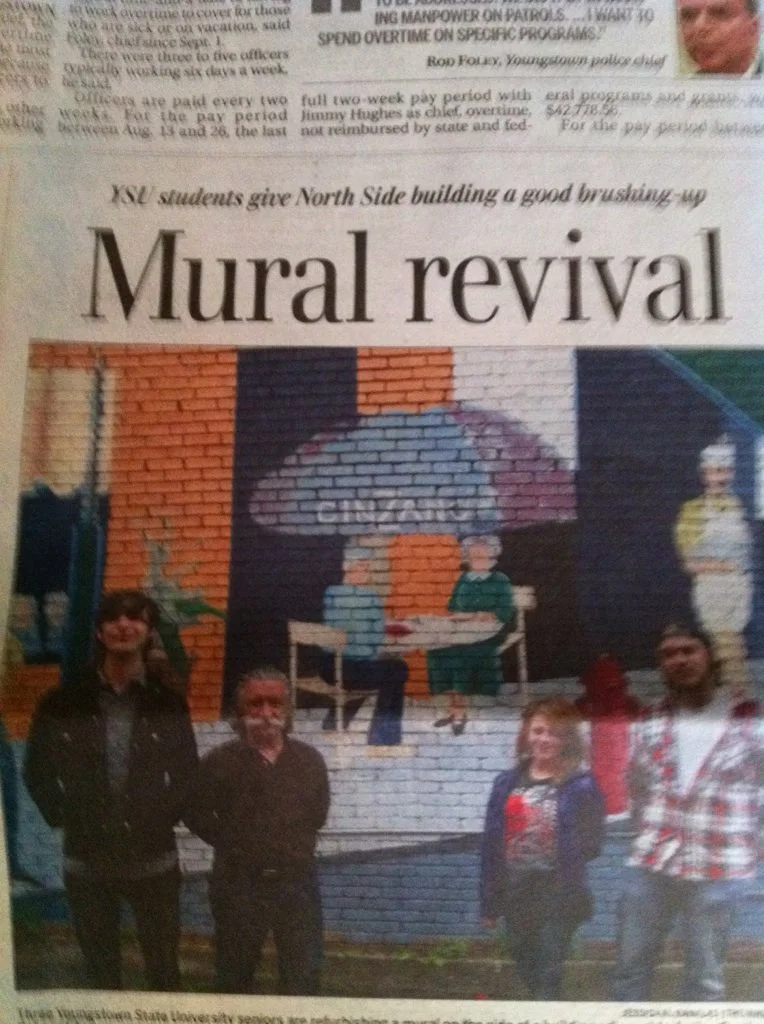
The Bagnolese Club became one symbol of that heritage, that continues today. The Salata, Massullo, and Donofrio families are all members.
The Donofrio’s Buy Avalon Gardens
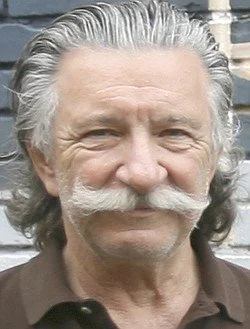
By 2011, Avalon Gardens had entered another uncertain chapter. When Jim and Rosanne Donofrio purchased the business at the end of January from Albert Salata, it would be their first venture into the restaurant business.
And what they inherited would be as much a burden as an opportunity. Unresolved financial obligations and operational headaches brought challenges.
And just eight months later, Jim disappeared.
“A lot of issues that were supposed to be handled before the sale weren’t,” Rosanne Donofrio told The Vindicator reporter Ashley Luthern, at the time.
And from the beginning, police surprisingly publicly stated that they did not expect to find Jim alive.
On September 27, 2011, two days after Jim vanished, Youngstown Police Chief Rod Foley spoke bluntly to The Vindicator, “We’re just assuming the worst-case scenario: suicide or murder.”
During the initial investigation, when Jim’s car was found near the Market Street Bridge in Youngstown, police dogs searched for a trail but found none.
Foley doubled down, telling reporters, “It’s very odd for a man in the suburbs to leave a car down here. He must have had some knowledge of the area. We’re treating it as a homicide,” he said. “It’s a whodunit.”
Avalon Gardens Closes
A couple of months after Jim disappeared, in January 2012, the Donofrio family made the difficult decision to close Avalon Gardens.
But it will be remembered for the place it held in the city’s storied past.
Fifteen Years Later, Family Still Wants Answers
Jim Donofrio’s family is still searching for truth. They want to know:
What happened to Jim Donofrio?
Why was his case closed?
They are certain that someone out there knows something.
If you have any information, no matter how small, you may help provide long-awaited answers and justice for Jim Donofrio.
How You Can Help
Jim Donofrio’s family and Cold Case Collaborative are still seeking answers to the many unresolved questions surrounding his disappearance and death. While we cannot accept new information or tips directly, we can help guide you to the proper authorities who can take your information seriously. Please contact us for more information.
Disclaimer: Submitting information to our organization does not constitute a tip to law enforcement. We do not accept anonymous submissions, and we cannot guarantee that information provided to us will be acted upon. Our role is to help raise awareness and direct potential leads to the proper investigative channels.